
Why the Hottest New Wearables Want to Be Ignored Leave a comment
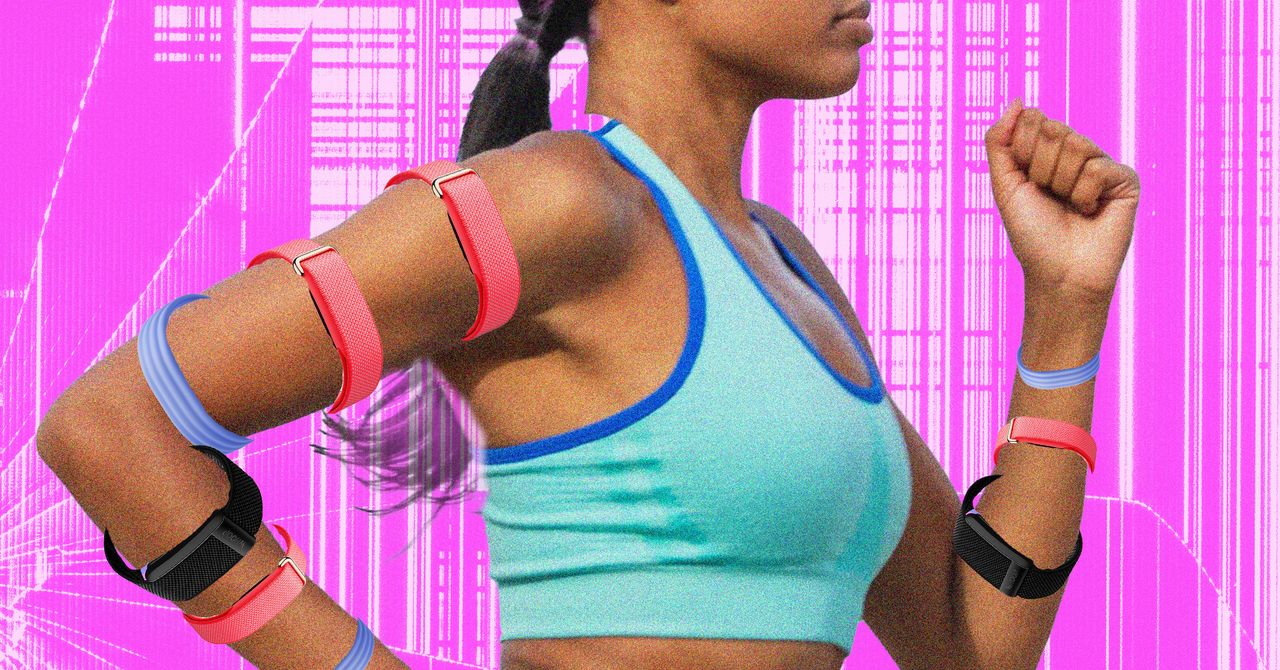
Whoop has made screen-free wearables since its first correct launch in 2015, however the shift in what Whoop considers itself to be about mirrors the change we see within the wider market. Right this moment a Whoop band is made for nearly anybody with the spare money to pay for its $199 annual subscription. It’s a system to “provide help to enhance the way you sleep, prepare, and really feel—beginning day one,” to make use of Whoop’s personal phrases. This couldn’t be additional faraway from the self-serious manner Whoop described itself in 2015, as a “efficiency optimization system completely designed for elite athletes and groups.” What a change a decade makes.
Even when Whoop has at all times been grounded within the now-common idea of “coaching readiness,” issues have altered drastically. So whereas it’s tempting to say Google’s Fitbit and firm are enjoying catch-up with Whoop, that’s not fairly it. It has homed in on the “low-distraction” life-style promoting level simply as the opposite greater tech corporations have.
On a minimum of three fronts this may be attributed—or blamed—on AI, to some extent.
AI because the Good and Unhealthy Man
AI is a manner for these wearable corporations to upsell and become profitable, and on the opposite facet, a significant contributor to why loads of us really feel like we want low-distraction tech today within the first place. Whereas nearly each Whoop rival says it may be used with no subscription, a few of these corporations lean closely on AI as an upsell.
Take Google and the Fitbit Air. With out a subscription, the app seems cute sufficient however is pretty spare. You get stats and charts, however in order for you chatty explainers of what any of it means, you want Google Well being Premium at $10 a month. Numbers and graph strains change into paragraphs that reference particular quirks or occasions of the day as a result of, to steal a line from humorist and podcaster John Hodgman, specificity is the soul of narrative.
And that is just the start. “The usage of AI in monitoring and guiding well being and wellness continues to be on the early stage of improvement however will seemingly change into considerably extra superior as AI matures,” says Peter Richardson, vice chairman and cofounder of Counterpoint Analysis.
I discover Google Fitbit’s chatbot ramblings fairly annoying, with not-that-rare dips into the condescending, and I’ll even choose the subscription-free expertise. However my job has pushed me by way of the unenviable job of studying what VO2 Max truly means, what heart-rate variability developments point out, and so forth: not the norm.
AI may clear up that long-standing concern with wearables—folks glazing over knowledge as quickly as they see something greater than their each day step depend. This AI use shall be higher represented on the cellphone than the watch display screen, too, making the shortage of display screen a energy. It lets the AI shine.
Technostress
Crucial affect of AI right here is on the opposite facet of the equation, although, as simply the newest stage within the tech-ification of our each day lives. I’ve heard from a number of associates about how their current work value determinations centered on higher-ups demanding better AI use inside their “private workflow.” Maybe you’ve had the same expertise.
Elizabeth Marsh, a doctoral researcher on the College of Nottingham who research the darkish facet of the digital office, finds that digital instruments persistently set off a well-recognized cluster of harms: technostress, info overload, fixed interruption, and blurred work–dwelling boundaries.
