
The Best Subscription-Free Home Security Cameras I’ve Tried Leave a comment
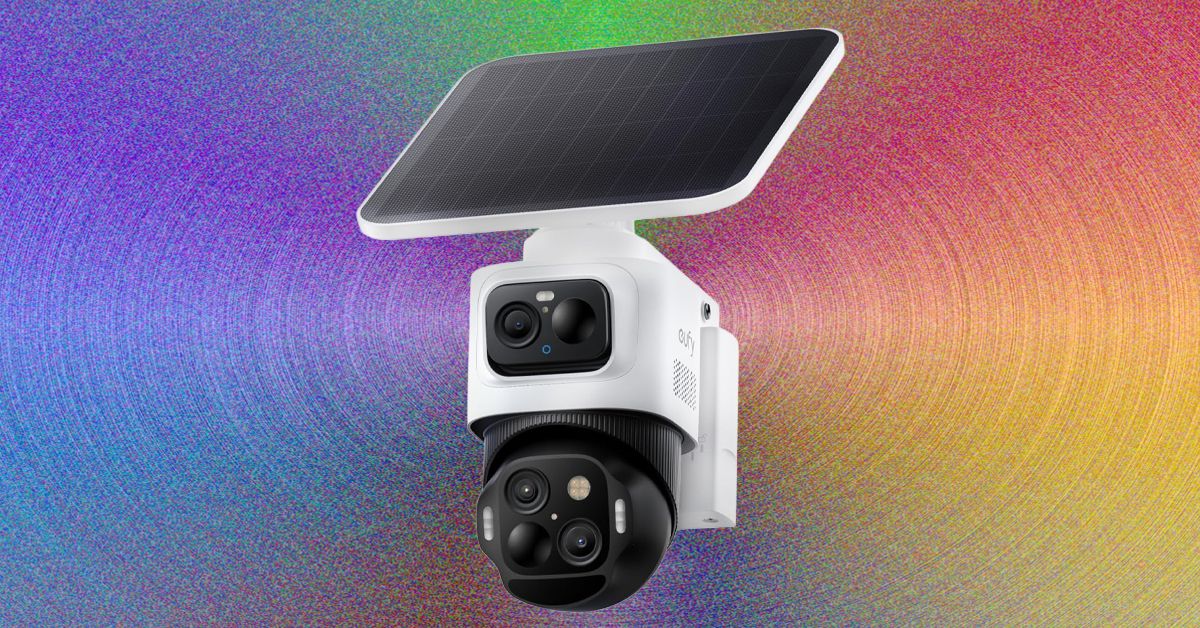
Native Hub: Producers like Eufy and TP-Hyperlink provide sensible hubs that hyperlink wirelessly to their safety cameras and provide expandable storage. Typically these native hubs enable for extra native AI processing (Eufy’s hub permits facial recognition). They will additionally typically prolong the wi-fi sign and stability for cameras. These hubs usually have to be plugged instantly into your router by way of Ethernet cable.
MicroSD Card: Plugging a microSD card right into a digicam is a fast and easy method to file regionally, but when an intruder steals the digicam, your footage is gone with it. Sometimes, digicam producers provide indoor hubs which can be expandable by way of a MicroSD card.
Community Connected Storage (NAS): When you’ve got a NAS server, you’ll be able to probably configure it to retailer your safety digicam video. These gadgets comprise arduous drives and are expandable, providing a probably monumental quantity of storage.
The perfect USB flash drives and exterior arduous drives can be utilized to increase or offload footage from a few of the above.
Cloud vs. Native
I’ve a information on Cloud vs. Native safety digicam footage that covers the fundamental professionals and cons in additional depth, however to sum up briefly:
Cloud storage means your video is backed up on-line, so an intruder can’t get to it, it’s normally faster to entry or stream when you’re away from house, and it doesn’t require any extra storage {hardware}. On the draw back, you pay a month-to-month charge, the video doesn’t get uploaded in case your Wi-Fi fails or is scrambled, and you might be trusting the service supplier, who could share it or use it in methods you’d desire they didn’t (information breaches are additionally widespread).
Native storage is a one-off value, it’s not reliant on Wi-Fi, and it’s a lot more durable for anybody aside from you to entry the footage. However, there’s a threat somebody steals the bodily {hardware} your footage is saved on, or the {hardware} fails, and it may be slower to entry and stream video when you’re away from house.
For max safety, even with an area system, you would possibly take into account a cloud backup. You may cut back the danger of your footage being uncovered by selecting a cloud service that’s end-to-end encrypted, reminiscent of Apple’s HomeKit Safe Video.
Defending Your Privateness
Entry to your safety digicam feeds and recorded movies ought to be end-to-end encrypted, and it is best to at all times use two-factor authentication to guard account entry. With end-to-end encryption, solely your approved gadgets can decrypt your movies. With 2FA, you’ll be despatched a passcode to a trusted quantity, e-mail, or gadget once you attempt to log in on a brand new gadget, so your login and password alone aren’t sufficient to achieve entry. Sadly, these options aren’t at all times turned on by default.
- Eufy cameras provide end-to-end encryption, however you need to decide in by tapping the menu prime left within the app and selecting Settings, Safety, Video Encryption, Superior Encryption. You can also make certain 2FA is toggled on by tapping your title on the prime of the menu and Two-factor authentication.
- TP-Hyperlink Tapo cameras lack end-to-end encryption, however you’ll be able to arrange 2FA on your account by tapping on the Me tab, View account, Login Safety. To encrypt footage on microSD playing cards, go to your gadget settings and select Storage & Recording, Native Storage, and faucet SD Card Encryption.
- Aqara presents end-to-end encryption in your regionally saved video by default. For 2FA, faucet Profile on the backside proper, Settings, Accounts and Safety, and ensure Two-Issue Authentication is toggled on.
